
Updated December 19, 2025 By Lucy
Many engineering teams struggle with stainless steel because it looks simple but behaves very differently during machining. A wrong choice can raise cost, delay schedules, or create quality risks.
Stainless steel is one of the most widely used CNC machining materials because it offers strength, corrosion resistance, and long service life, but only when the right grade and process are chosen.
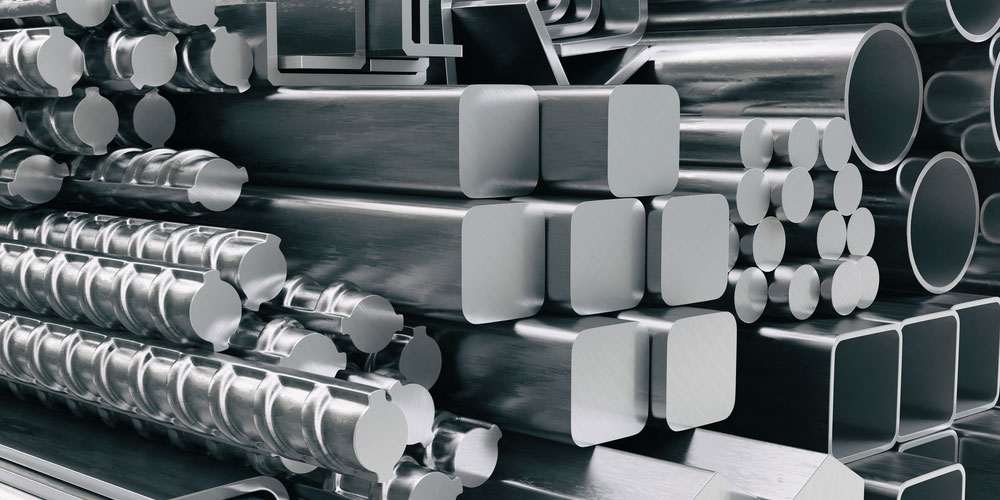
I have worked with stainless steel parts for over twenty years. I have seen good projects become expensive because of the wrong grade choice. I have also seen smart material decisions save both time and money.
Why Is Stainless Steel a Key Material in CNC Machining?
Many teams choose stainless steel by default without fully understanding why it fits their application. This often leads to overdesign or hidden cost.
Stainless steel is a key CNC machining material because it balances corrosion resistance, mechanical strength, and long-term stability across many demanding industries.
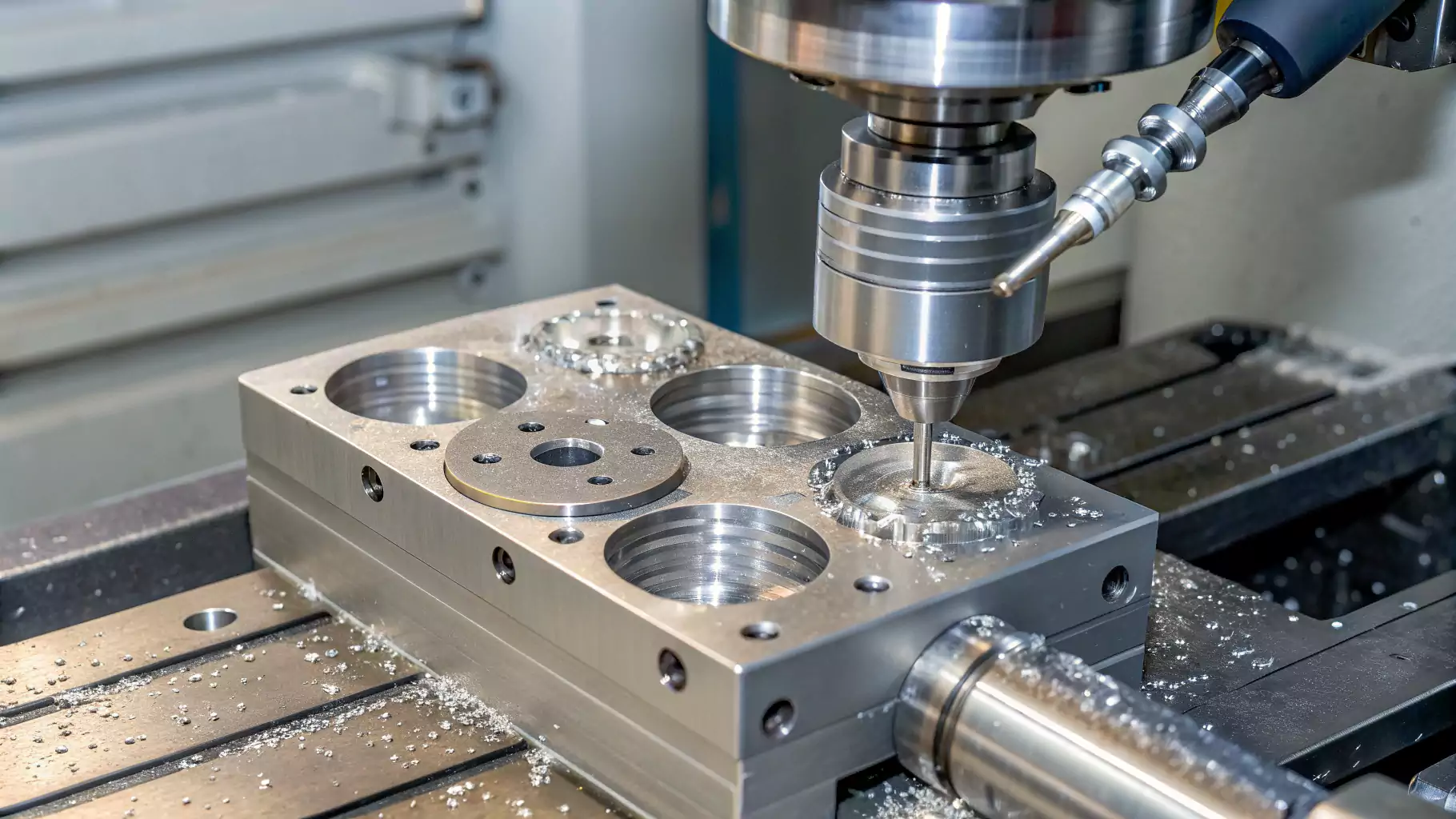
Stainless steel performs well where aluminum lacks strength and where carbon steel lacks corrosion resistance. In automotive and motorcycle parts, it resists water, salt, and heat. In medical devices, it supports frequent cleaning and strict hygiene standards. In aerospace and electronics, it keeps stable dimensions under load and temperature changes.
From my experience, stainless steel becomes the right choice when failure is not acceptable and maintenance access is limited. Engineers often accept higher machining cost because they gain reliability and reduced lifecycle risk. This is why stainless steel remains widely used in advanced manufacturing1 regions, especially in the EU.
How Does Stainless Steel Classification Affect Machining?
Many engineers know stainless steel grades but not their machining behavior. This gap often leads to tool wear, unstable cutting, and poor surface quality.
Stainless steel classification matters because each structural type responds differently to cutting forces, heat, and tool contact during CNC machining.
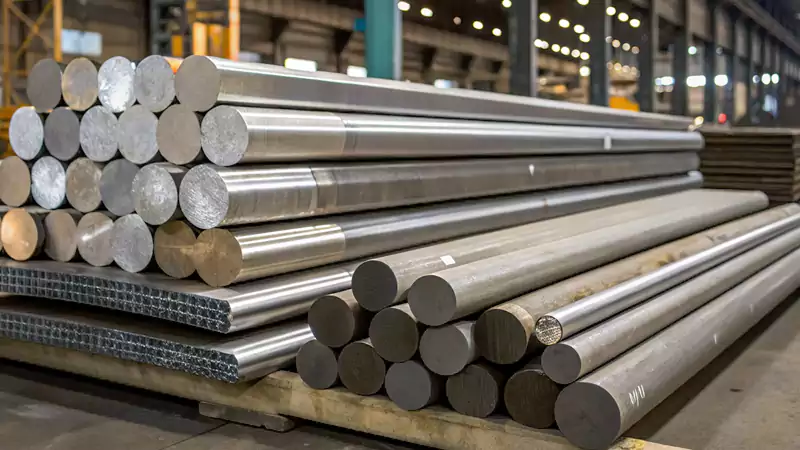
Austenitic, Martensitic, Ferritic, and Duplex Stainless Steel
Austenitic stainless steels2 such as 304 and 316 are the most common. They resist corrosion well but work harden easily. This requires sharp tools and stable feeds.
Martensitic grades like 410 and 420 are harder and can be heat treated. They cut more cleanly but need careful stress control.
Ferritic stainless steels are less common in precision CNC parts. They offer lower cost but limited strength.
Duplex stainless steels3 combine high strength and corrosion resistance. They are harder to machine due to high cutting forces.
Key Properties That Affect Machining Performance
Hardness, ductility, thermal conductivity, and work hardening directly affect machining stability. Stainless steel traps heat at the cutting edge. This accelerates tool wear.
From my shop experience, understanding these properties helps reduce scrap and stabilize delivery. Classification is not theory. It directly affects cost and quality.
Which Stainless Steel Grades Are Commonly Used for CNC Machined Parts?
Grade selection is where many projects succeed or fail. Engineers often choose higher grades than needed.
Common stainless steel grades used in CNC machining are selected by balancing machinability, corrosion resistance, strength, and total cost.
%[Common 304 Stainless Steel Raw Materials]([stainless steel classification machining "304 stainless steel")
Widely Used Grades and Typical Applications
| Grade | Key Features | Typical Applications |
|---|---|---|
| 304 / 304L | Balanced corrosion resistance4 | Automotive brackets, housings |
| 316 / 316L | Higher corrosion resistance | Medical, marine components |
| 303 | Excellent machinability | Precision turned parts |
| 410 / 420 | High strength, heat treatable | Shafts, mechanical parts |
| 17-4 PH | High strength, stable dimensions | Aerospace, tooling |
303 machines easily but sacrifices corrosion resistance. 17-4 PH offers strength and dimensional stability but increases material and processing cost.
Selecting Grades for Different Industries
Automotive and motorcycle parts often use 304 or 17-4 PH. Medical devices prefer 316L. Aerospace applications favor 17-4 PH.
I always advise engineers to define the real environment and load before choosing a grade. This avoids unnecessary cost.
What Are the CNC Machining Methods and Challenges for Stainless Steel?
Stainless steel demands respect on the shop floor. Many teams underestimate its machining impact.
CNC machining stainless steel requires controlled cutting strategies, correct tools, and heat management to maintain quality and cost control.
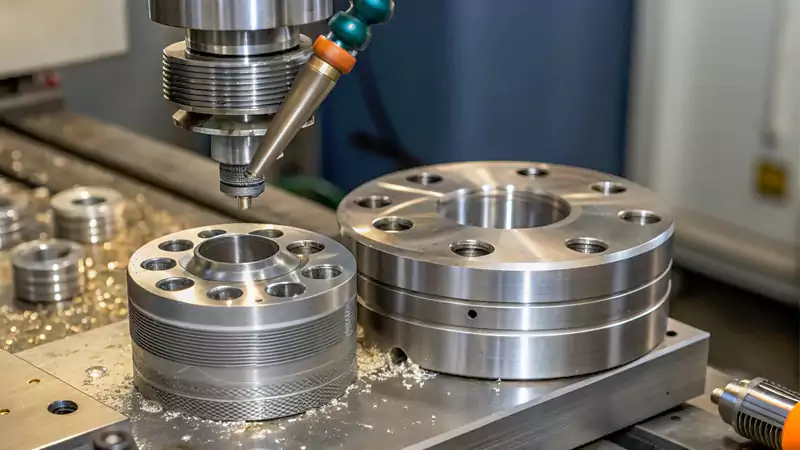
Machining Methods and Technical Challenges
Milling, turning, and drilling stainless steel require lower speeds than aluminum and steady feeds to avoid work hardening. Tool coatings and coolant delivery are critical.
Tool wear is the main cost driver. Stainless steel retains heat at the cutting edge, which shortens tool life if parameters are wrong.
Cost and Lead Time Considerations
Machining stainless steel takes longer and uses more tooling. Cycle time and tool replacement affect price more than raw material.
Case Study: CNC Machined Stainless Steel Medical Housing
This project shows how proper grade selection improves cost efficiency without sacrificing performance.
The customer initially specified 316L stainless steel for a medical device housing due to corrosion concerns. The housing was not exposed to aggressive chemicals and operated in a controlled indoor environment.
After reviewing the application, I suggested comparing 304L vs. 316L5 from both performance and machining cost perspectives.
| Parameter | 304L | 316L |
|---|---|---|
| Corrosion Resistance | Good | Very good |
| Machinability | Better | Lower |
| Raw Material Cost | Lower | Higher |
| Cycle Time Impact | Shorter | Longer |
Final project parameters were:
| Parameter | Value |
|---|---|
| Selected Material | Stainless Steel 304L |
| Quantity | 100 pcs |
| Overall Size | 120 × 75 × 45 mm |
| Tolerance | ±0.02 mm |
| Surface Finish | Ra 0.8 μm |
| Machining Method | 3-axis CNC milling |
By selecting 304L, we reduced machining time by about 12% and lowered tool wear. The parts passed corrosion and cleaning tests required by the customer.
This case shows that CNC machining value often comes from material judgment, not just cutting accuracy.
How Do You Choose the Right Stainless Steel and CNC Machining Partner?
Many projects fail due to rushed decisions on material or supplier.
Choosing the right stainless steel and CNC machining partner means matching material behavior, machining capability, and engineering support to real application needs.

Matching Material to Function
Stainless steel is not always the best option. A reliable partner will say this clearly.
Advantages and Limitations Compared with Other Materials
Stainless steel offers durability and corrosion resistance. It machines slower and costs more than aluminum.
What to Look for in a Machining Partner
I believe a good partner understands drawings, tolerances, and risk points. Clear feedback and stable quality matter more than low price.
Conclusion
Stainless steel delivers strong value in CNC machining when the right grade, process, and partner are chosen with real engineering judgment and long-term experience.
-
Discover insights into advanced manufacturing practices in the EU and how they leverage materials like stainless steel for innovation. ↩
-
Explore the advantages of Austenitic stainless steels, including their corrosion resistance and machining characteristics. ↩
-
Learn about Duplex stainless steels, their unique properties, and the challenges they present in machining processes. ↩
-
Understanding corrosion resistance can help you choose the right materials for your projects, ensuring durability and longevity. ↩
-
Understanding the differences between 304L and 316L can help you make informed decisions for your projects, optimizing cost and performance. ↩